Living in Vancouver means living with a landscape: rain, moss, and an economy of light that rewards planning. For many homeowners and renters, outside space is measured in square feet rather than acres. Yet small does not mean negligible. Thoughtful landscaping in Vancouver BC can turn a postage-stamp patio, narrow side yard, or compact balcony into a functional extension of your home that handles seasonal weather, supports pollinators, and raises property value. This article lays out practical, experience-driven approaches to small-space landscaping, with trade-offs, numbers, and realistic examples you can implement or discuss with a contractor such as Luxy Landscaping or any local landscaping services.
Why small-space landscaping matters
A well-designed small yard reduces runoff, cuts maintenance time, and delivers more usable square footage. In Vancouver, where the average annual rainfall is roughly 1,200 to 1,500 mm depending on neighborhood, surface choices matter. Gravel or paving that channels water into a rain garden saves your basement and keeps municipal storm systems from being overwhelmed. A small investment in design and the right plants repays itself through lower water bills, less pruning, and a calmer, more private outdoor room.
Start with a clear purpose
Before buying plants, determine how you will use the space. Do you want a seating area for two, a place to grill, a vegetable patch, or an herb zone within arm’s reach of the kitchen? In small spaces, single-purpose clarity beats trying to do everything. For example, a 10 by 8 foot patio can accommodate a bistro set and a narrow planter while still leaving walking room. If you try to force in a dining table, lounge chairs, and a raised bed all at once, the area will feel cluttered.
Consider sightlines and privacy early. A neighbor’s second-story window can be screened with a trellis and deciduous vine that permits winter light. If privacy is critical, a 6 foot bamboo screen or gabion wall lined with cedar planks provides immediate seclusion but demands regular maintenance and will block winter sun if placed on the southern side.
Soil, drainage, and microclimates
Most small Vancouver yards sit on compacted clay or fill that drains unevenly. Many landscape installation problems stem from inadequate soil work. Allocate at least 20 percent of your budget to soil amendments and drainage improvements when hiring landscaping services Landscape installations in Vancouver BC Greater Vancouver BC. Raising planting beds by 6 to 12 inches with a mix of 60 percent clean topsoil, 30 percent screened compost, and 10 percent sharp sand or grit gives plants room for roots and improves drainage. For containers, use a quality potting mix with added perlite or pumice for aeration.
Identify microclimates. Narrow alleys often receive afternoon sun and trap heat, whereas north-facing balconies stay cool and damp. Match plants to these pockets: moisture-loving ferns and astilbes excel in shaded, north-facing corners, while lavender, rosemary, and sedums tolerate sunnier, drier spots. On balconies, consider weight limits: a large ceramic pot filled with moist soil can weigh 50 to 100 kg. Use fiberglass or plastic planters when weight is a constraint.
Hardscaping that expands function
Hardscape choices define flow and use. Small yards benefit from multi-functional elements. A bench that opens for storage keeps cushions dry and frees up indoor closet space. Steps can double as planters. Permeable paving such as gravel with stepping stones, permeable pavers, or crushed rock over a subbase reduces runoff and allows bulbs to naturalize.
Concrete is durable but cold underfoot and costly to remove. Gravel is inexpensive and drains well but can scatter and require edging. A compromise I often recommend to clients is a 3 foot wide central paved path using slate or reclaimed brick, surrounded by compacted crushed rock and low plantings. That configuration offers solid footing for entertaining while maximizing planting area.
Lighting multiplies small space usability. Two well-placed uplights on architectural plants, a pendant over a small table, and a few path-level LEDs create depth. Use warm color temperatures near seating areas to create a welcoming glow. Solar lights have improved, but choose units with replaceable batteries and place them where they actually receive sun.
Vertical solutions and contained planting
When horizontal real estate is scarce, build up. Vertical planting makes a small yard feel larger by drawing the eye upward. A timber trellis with vines such as clematis, hops, or small-leaved ivy can provide screening within a single season. For more instant greenery, climbers on wires attached to the fence give a clean, contemporary look. Remember that vigorous climbers can damage wood fences; use a tensile wire system mounted to posts rather than attaching directly to the fence.
Container gardening is the cornerstone of balcony and patio landscapes. Choose containers with depth appropriate to the plants: herbs and annuals do fine in 20 to 25 cm pots, while small shrubs and blueberries need 40 to 50 cm. Group containers of varying heights to create visual layers. In my projects, swapping two 30 cm pots for one 50 cm pot with a small tree like Amelanchier reduces watering frequency and provides immediate vertical interest.
Plants that work in Vancouver small spaces
Choose plants that tolerate wet winters, mild summers, and variable sun. Avoid species that require dry Mediterranean summers unless you can move containers indoors or provide perfect drainage.
Evergreen structure is critical in winter. For small yards, select compact forms: dwarf rhododendrons, Sarcococca confusa for scent, and narrow varieties of Japanese maple such as Acer palmatum 'Sango Kaku' that remain manageable in containers. For texture and color through seasons, pair evergreen structure with perennials like Helleborus and Heuchera, plus spring bulbs that deliver a burst of life after winter.
For edible elements, chilies and salad greens thrive in containers on sunny balconies. A single 40 cm raised bed will produce several varieties of lettuce for two people through spring and fall. Blueberries do well in tubs with peat-moss rich mixes and need acidic soil, so plan accordingly.
Maintenance strategies that respect time
Small landscapes should minimize labor. Choose low-maintenance groundcovers such as Vinca minor or Carex oshimensis for shady spots where turf would struggle. Avoid high-maintenance lawns unless you truly need a play surface. A 6 by 6 foot artificial turf mat can give the look of lawn without weekly mowing, though it compromises biodiversity and increases heat retention.
Mulch is your friend. A 5 to 7 cm layer of bark or arborist wood chips suppresses weeds and reduces watering frequency. Replace organic mulches every two to three years as they decompose. For planted containers, top dressing with pea gravel keeps slugs at bay and slows evaporation.
I recommend a simple seasonal routine: in spring, top up soil and mulch, prune dead wood, and check rain drainage. In late summer, clean leaves from drip lines, deadhead perennials, and harvest edibles. In late fall, protect frost-sensitive containers by grouping them against the warm side of the house and adding insulation wraps if necessary. This routine takes about one to two hours per month during the growing season for a typical small yard.
Irrigation: choose simplicity and redundancy
Watering is often neglected until plants show stress. A small, automated system pays back quickly. Drip irrigation with a simple timer and pressure regulator keeps containers and raised beds hydrated without waste. For balconies where running a line is impractical, self-watering containers or capillary mats reduce daily chores.
If you want a low-tech solution, use a soaker hose buried under mulch in raised beds and run it for 15 to 30 minutes depending on the bed size and soil. For containers, a 20 liter watering can used twice weekly during dry spells works well. Avoid overwatering in winter; many Vancouver plants suffer from root rot when soil stays saturated for weeks.
Budgeting and phasing work
Small projects can balloon if you buy everything at once. Phase work into achievable steps. A common sequence that balances cost and impact is to first fix drainage and soil, then install major hardscaping, and finally add planting and lighting. For example, a 150 square foot patio makeover with permeable pavers, new soil in two raised beds, and basic lighting can range from CDN 5,000 to 12,000 depending on materials and whether you hire professionals. Luxy Landscaping and other local landscaping services can provide quotes; expect variations based on access, slope, and chosen materials.
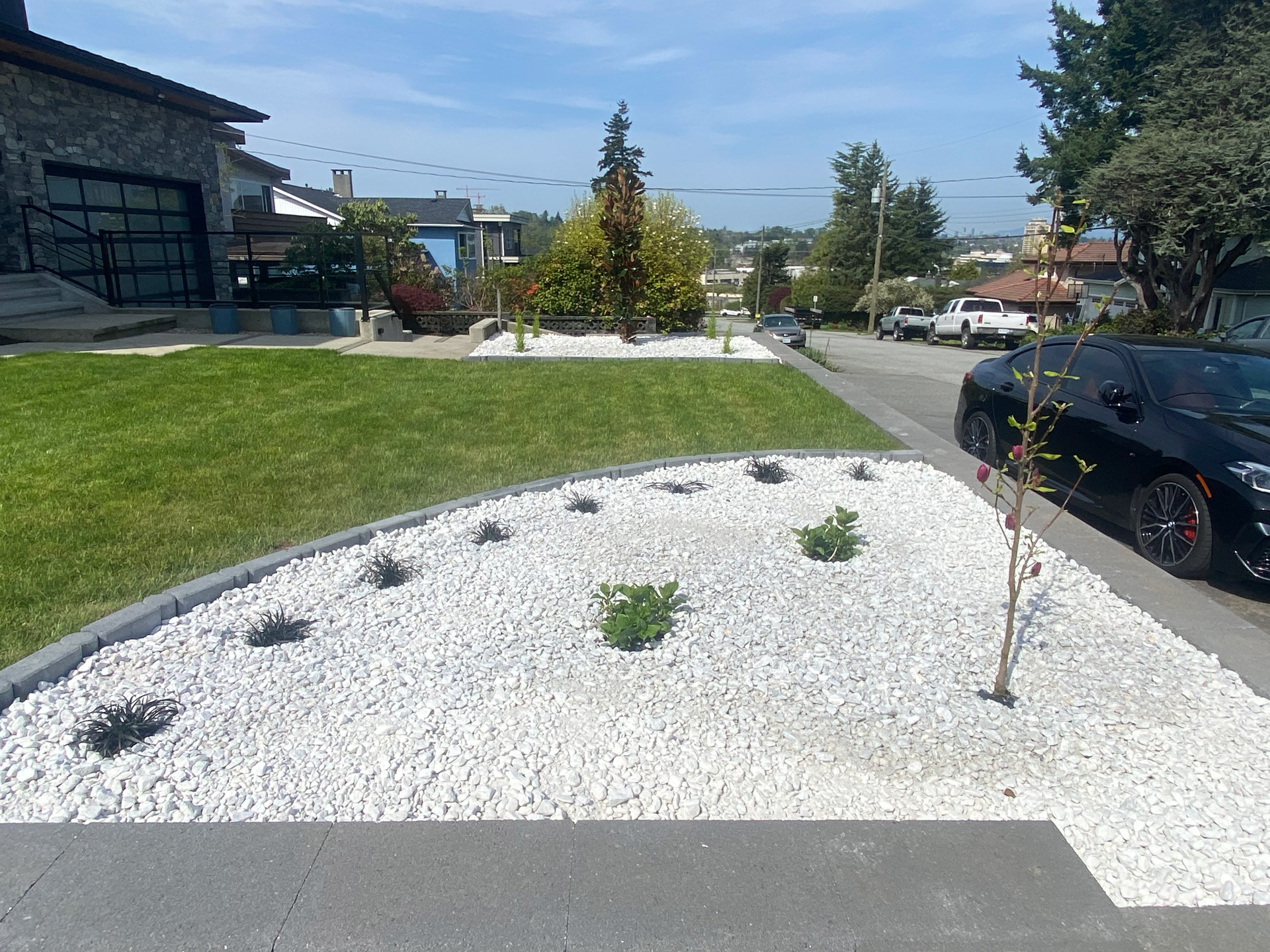
If budget is tight, prioritize drainage and structure. A bench, a few large containers, and a trellis can transform a yard dramatically for less than CDN 1,500 in materials if you assemble items yourself. Hiring a local team to install permeable paving and a simple irrigation loop will cost more but saves time and ensures long-term performance.
Small yards and biodiversity
Even in the densest neighborhoods, your small space can support wildlife. Plant native species such as salal, ocean spray, and red-flowering currant to provide nectar and berries for birds and native bees. A small log pile in a shaded corner becomes habitat for beetles. Avoid systemic pesticides; simple companion plantings and tolerating a little leaf damage will sustain beneficial insects.
Trade-offs: aesthetics versus ecology, instant versus slow
You can have immediate impact with mature shrubs and trees planted to create privacy overnight, but large specimens cost more and need careful handling. Smaller plants allow you to test what works and replace entries that fail. An instant green wall made with pre-planted modules provides quick aesthetics but may demand more irrigation than individually planted vines that establish root systems over time.
Also consider longevity. Composite decking and concrete pavers last decades and are low maintenance, but they increase surface temperature and reduce permeability. Gravel and permeable pavers are friendlier to soil and roots but may require refilling and edging over time.
Working with local professionals
When you search for Landscaping near me in Vancouver, vet companies on experience with small urban spaces. Ask for project photos similar in scale to your yard. Good contractors will discuss soil strategies, drainage, and microclimate, not just plant lists. A credible landscape installation quote includes site prep, a soil amendment plan with volumes, and a maintenance outline for the first year.
For smaller jobs or single-day installs, local crews such as Luxy Landscaping have teams that can deliver quick transformations. Ask for references and check that crews are insured. For design-build projects, expect to pay for a design fee of CDN 500 to 2,000 depending on complexity, which is often credited toward the build if you proceed.
Permits, rules, and neighbors
Small backyard projects still sometimes require permits, especially when altering drainage, replacing a retaining wall over a certain height, or installing a structure attached to the house. Check Vancouver’s municipal guidelines before heavy excavation. Neighbor relationships matter; let them know if you plan noisy work or taller screening that alters their light. A short conversation and an offer to work around key events often avoids complaints.
Quick checklist for a small-space project
Define primary use and list top three desired outcomes. Assess sun, shade, and drainage at different times of day. Allocate budget: 20 percent to soil/drainage, 40 to hardscape, 40 to planting and irrigation as a rule of thumb. Choose three structural elements: evergreen, seating, vertical element. Plan for maintenance: set a realistic monthly hour target and match plant choices to that commitment.Final thoughts and a nudge to act
Small spaces reward decisive choices. A tidy plan, modest investment in soil and drainage, and three or four strong elements deliver outsized results. You do not need to recreate a park; you need a coherent, durable outdoor room that reflects how you live. Whether you call a local team for a quote or start with a weekend of soil and plants, incremental improvements compound: a new planting bed in year one, a pergola in year two, and a polished outdoor room by year three.
If you want a practical next step, measure your space, photograph it at three times of day, and jot down how you want to use it. Bring those notes to a consultation with a landscaper or use them to plan your first DIY weekend. Small spaces, done well, make city living greener, quieter, and more enjoyable.
Luxy Landscaping
1285 W Broadway #600, Vancouver, BC V6H 3X8, Canada
+1-778-953-1444
[email protected]
Website: https://luxylandscaping.ca/